
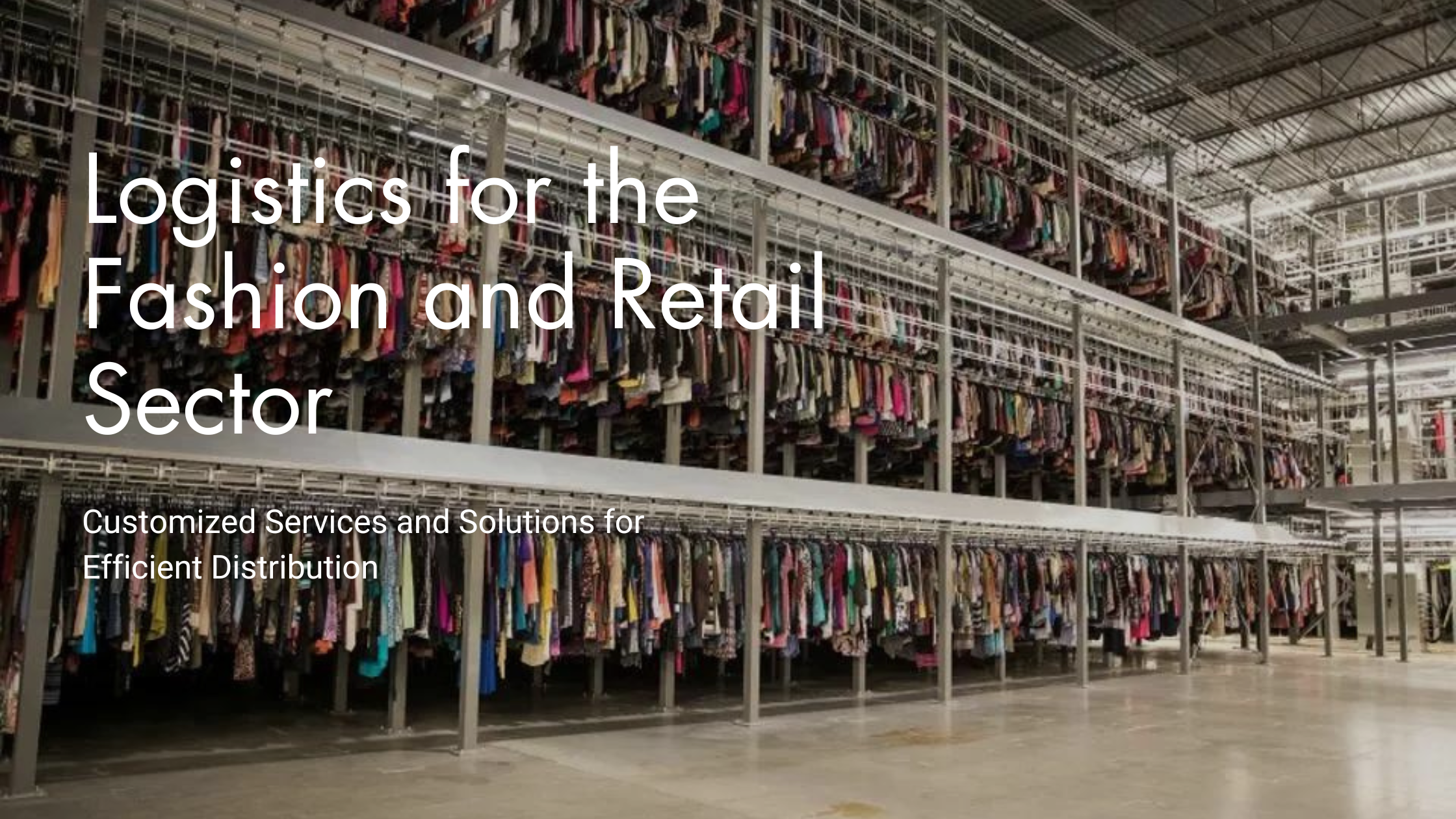
The fashion and retail sector is constantly expanding and evolving alongside advancements in logistics. According to a 2023 ANSA report, 41% of Italians purchase clothing online, highlighting the growing importance of this sales channel. This trend reflects a global shift where the fashion e-commerce market is booming, driven by increased digitalization, internet accessibility, and mobile device adoption.
The COVID-19 pandemic further accelerated this transformation, pushing consumers to prefer online shopping to avoid physical stores. Consequently, fashion companies and retailers must meet increasing demand, ensuring adequate stock availability both in physical stores and online, and providing fast and reliable deliveries.
Another crucial factor is consumers’ need for personalized and seamless shopping experiences. Omnichannel integration, allowing customers to transition effortlessly between online and offline stores, has become a necessity. Companies must invest in advanced technologies such as artificial intelligence and data analytics to predict shopping trends, manage inventory efficiently, and enhance the customer experience.
Sustainability is another significant trend in the fashion sector. Consumers are increasingly aware of the environmental impact of their purchases and prefer brands that adopt sustainable practices. This translates into greater focus on eco-friendly materials, responsible production processes, and logistics that minimize carbon footprint.
To address these challenges, it is increasingly essential for companies to rely on external partners specializing in fashion and retail logistics management. These partners can offer advanced solutions for fulfillment, inventory management, and rapid deliveries, allowing companies to focus on their core business. Additionally, outsourcing logistics to industry experts can lead to significant operational cost savings and improve overall efficiency.
Logistics in the fashion and retail sector presents several unique challenges. Firstly, companies must manage a vast assortment of products, varying by size, color, style, and season. Efficient management of this inventory requires advanced warehouse management systems and automation solutions to ensure that the right products are available in the right place at the right time. Additionally, the speed of deliveries has become a critical factor for competing in the online market, with customers expecting increasingly shorter delivery times and flexible shipping options.
Firstly, it requires perfect synchronization between various sales channels (online, physical stores, marketplaces, etc.) and inventory management systems. Companies must ensure that inventory is updated in real-time across all channels to avoid stockouts or overselling, which can compromise the customer experience. Additionally, omnichannel order management involves greater complexity in preparing and shipping products. Orders can come from different platforms and have varying destinations, including customer residences and in-store pickup points. This requires operational flexibility and adaptability that go beyond traditional warehouse operations.
Our integration with major marketplaces allows us to receive orders placed on your site directly into our hub. We process all orders according to your specific instructions, ensuring quick departures for home deliveries with express door-to-door service or shipments to retail locations. This approach ensures that customers can enjoy a seamless shopping experience, regardless of the chosen channel.
Consumers are increasingly motivated to shop online not only for the convenience and speed of delivery but also for the ease of returns. At least 15% of online shoppers return products to sellers for various reasons, such as incorrect size, a change of mind after trying the product, or minor defects like missing buttons or small tears. Managing returns is indeed one of the most complex challenges in fashion logistics.
Firstly, returns can have a significant impact on operational costs. Each returned item must be inspected, categorized, and, if necessary, refurbished before it can be resold. This process requires time and resources and can slow down the entire sales cycle if not handled efficiently.
Another crucial aspect is managing reverse logistics, which includes transporting products from customers to return centers or warehouses. This requires a well-coordinated transport network and precise information management to track each return in real time. Reverse logistics also involves managing various return channels, such as home pickups, dedicated drop-off points, and physical stores.
These returns represent a challenge for companies, necessitating solutions to add value to these clothing items and extend their lifecycle. One such solution is garment refurbishment services, which restore the quality and original appearance of returned clothing items or those with minor defects. This service is essential for prolonging the lifespan of garments, reducing waste, improving the company’s sustainability, and lowering operational costs related to inventory management.
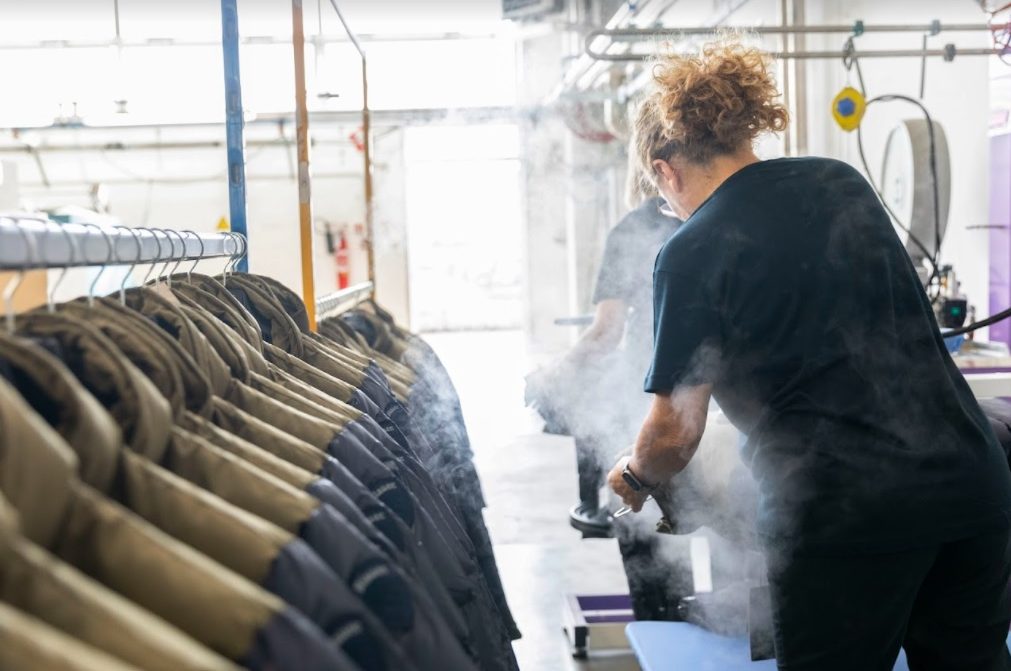
Managing the storage of fashion products requires meticulous attention and care. At PLogistics, we offer comprehensive storage services for a wide range of products, including:
In a competitive market like fashion and online retail, efficient and well-managed logistics are crucial for success. Partnering with an experienced and reliable logistics provider can make a significant difference, allowing companies to focus on their core business and deliver exceptional service to their customers.
Our goal is to support our clients in developing an integrated logistics solution for the fashion retail sector, leveraging our infrastructure and expertise to create a “tailored” model designed specifically for your business. We understand that every company has unique needs, which is why we offer customized solutions that perfectly align with your operational processes and business objectives.
Want to learn more?
Send an email to marketing@plogistics.it
Subscribe now to keep reading and get access to the full archive.
Scrivici a info@plogistics.it