
The Growth of the Cosmetics Sector and the Importance of Logistics: Critical Points and Solutions

The cosmetics sector continues to grow steadily, driven by an increasing demand both nationally and internationally. In 2023, the sector’s turnover approached 15 billion euros, marking a 9.3% increase compared to the previous year. The prospects for 2024 are equally promising, with a projection of just over 16 billion euros, growing by 8.7% according to the Cosmetica Italia report. The mass market remains the most representative channel in terms of value, with cosmetic consumption reaching 5.2 billion euros and an 8% increase in 2023. Projections indicate a further 7.8% growth in 2024. Exports, which hit 7 billion euros in 2023 with a 19.5% increase, are expected to grow by another 12 percentage points in 2024. This positive outlook underscores the need for cosmetic companies to outsource logistics to manage the increasing demand effectively. Logistics for Cosmetics: Challenges and Solutions Logistics in the cosmetics sector presents unique challenges. The journey of products from storage to the beauty shelf requires the implementation of specific best practices. Compared to other merchandise sectors, logistics in the beauty sector must consider company policies, which often need to reflect their commitment to practicality, style, and sustainability in their packaging. For example, for shampoos distributed in glass bottles, safety during transport must be balanced with the communication of company values such as naturalness, craftsmanship, and high quality. At Tre Elle’s warehouse, fragile materials are handled in dedicated areas, with qualified personnel evaluating the correct allocation of products in a thermally insulated environment. Packaging is done strictly by hand, with particular attention to ensure a natural effect. The four key points of logistics Product Properties: Our warehouse has all the necessary solutions to preserve cosmetic products, maintaining their organoleptic properties through ideal temperatures for their preservation. Packaging: We offer safe and customized packaging, ideal for every need and sustainable. Cosmetic packaging is crucial, especially in e-commerce, where it must meet brand communication requirements. Hazardous ADR Products: Some cosmetics and perfumes are classified as hazardous. We have the necessary authorizations and certifications (IATA) to handle and store such substances in accordance with ADR regulations. Timeliness: Orders must be shipped quickly. We use an advanced picking and warehouse management system to reduce picking times and keep inventory and orders under control. I nostri servizi At PLogistics, we meet the challenges of logistics in the beauty and cosmetics industry with specially created services. Goods Reception and Support Activities: Management of inbound logistics. Storage: Placement on shelves or pallets. Order Management: Picking, receiving, and managing orders. Kit Formation: Preparation of customized kits. Pick and Pack: Packaging and customization of materials in line with company policies. Shipment Preparation: Labeling and preparation for shipment according to customer specifications. Stock Management: Monitoring and controlling inventory. Dedicated Internal Customer Service: Customer support. Conclusion In a dynamic sector like cosmetics, well-managed logistics is crucial for ensuring business success. Partnering with experts like PLogistics allows companies to focus on their core business, improving operational efficiency and ensuring optimal management of products, from production to delivery to the end customer. Want to learn more?Send an email to marketing@plogistics.it
The Pellet Market: Trends, Challenges and Opportunities for 2024

The wood pellet market, valued at $12 billion in 2023, saw a significant drop last year compared to the highs of 2022. High stock levels and reduced consumption due to a mild winter were the main factors influencing the European pellet market, leading to a substantial decline in consumer prices. However, the early months of 2024 have shown an encouraging trend reversal in pellet appliance sales. It is expected that the Italian market will finally return to the traditional cyclicality of pellet prices in 2024. Outlook for the European Market in 2024 For the European market, experts predict a year of stability, overcoming the significant imbalances between supply and demand that characterized the past two years. As of April 2024, market trends show a decrease in pellet costs compared to the previous year, making pellets an even more cost-effective home heating option than natural gas. The national average price of pellets, according to April 2024 data, is €5.4 per 15 kg bag, with a 14% saving compared to the same month last year, equivalent to about €1 per bag. This price reduction is positive news for consumers, especially considering the recent increases in energy prices. The rapid expansion of biomass pellet markets raises increasing concerns along the entire pellet supply chain, from production to storage and final use. A European Union-funded project has been launched to develop guidelines for monitoring safety and quality. Diversity and Quality of Pellets Beech, birch, poplar, and spruce are some of the pellet varieties available, each suitable for different needs. In Italy, the demand for pellets has significantly increased in recent years. However, despite their growing popularity, imports outweigh domestic production. Data collected from 21 countries show that most consumers choose pellets for their lower cost compared to other energy solutions (52%) and their lower environmental impact (56%). Besides price, the quality and sustainability of the material are decisive factors in purchasing decisions. Pellet Storage in Our Warehouses Wood pellets are stored in dedicated areas to prevent crumbling during filling. Compared to other products, pellets require a special warehouse and appropriate storage service, including temperature management for conservation. All stages of pellet warehouse management and storage are meticulously followed, ensuring compliance with the highest quality standards, from conservation and packaging to distribution to retail points and large distribution. Tips for Proper Domestic Pellet Storage Do not leave pellet bags directly on the ground: Store them on a pallet, insulating layer, or a raised surface. Do not stack bags directly against the room wall: Use an insulating material layer, such as cardboard or polystyrene. If stored outdoors: Use insulating covers to protect bags from weather conditions and UV rays. Conclusion Partnering with experts like PLogistics allows companies to focus on their core business, enhance operational efficiency, and ensure effective document management that is compliant with current regulations. The proposed solutions, from digital and physical archive management to document digitization, provide comprehensive and integrated support to successfully tackle the challenges of the pellet market. Want to learn more? Send an email to marketing@plogistics.it
Logistics for the Fashion and Retail Sector: Customized Services and Solutions for Efficient Distribution
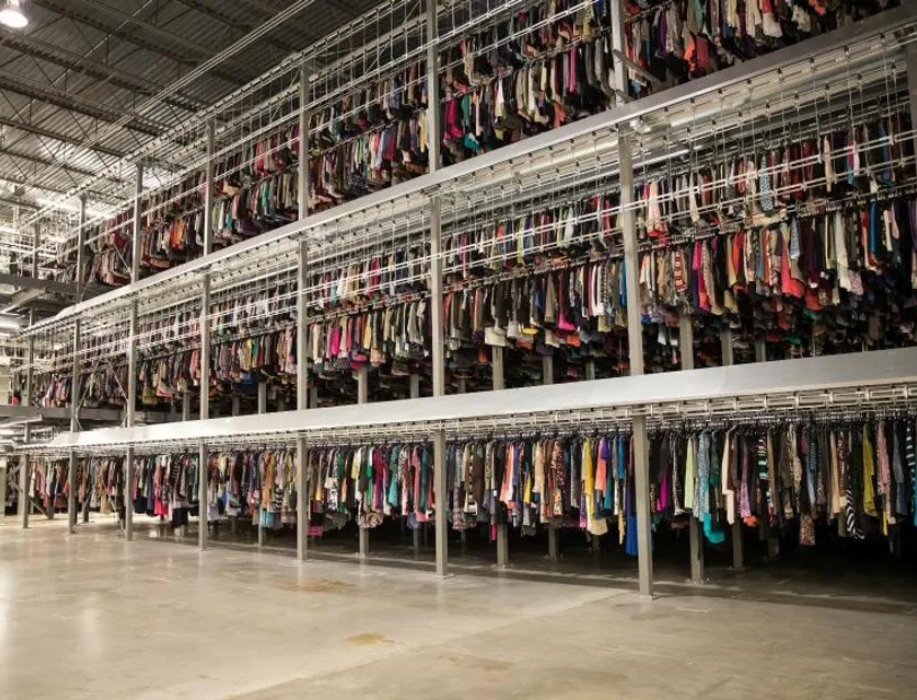
The fashion and retail sector is constantly expanding and evolving alongside advancements in logistics. According to a 2023 ANSA report, 41% of Italians purchase clothing online, highlighting the growing importance of this sales channel. This trend reflects a global shift where the fashion e-commerce market is booming, driven by increased digitalization, internet accessibility, and mobile device adoption. The COVID-19 pandemic further accelerated this transformation, pushing consumers to prefer online shopping to avoid physical stores. Consequently, fashion companies and retailers must meet increasing demand, ensuring adequate stock availability both in physical stores and online, and providing fast and reliable deliveries. Another crucial factor is consumers’ need for personalized and seamless shopping experiences. Omnichannel integration, allowing customers to transition effortlessly between online and offline stores, has become a necessity. Companies must invest in advanced technologies such as artificial intelligence and data analytics to predict shopping trends, manage inventory efficiently, and enhance the customer experience. Sustainability is another significant trend in the fashion sector. Consumers are increasingly aware of the environmental impact of their purchases and prefer brands that adopt sustainable practices. This translates into greater focus on eco-friendly materials, responsible production processes, and logistics that minimize carbon footprint. To address these challenges, it is increasingly essential for companies to rely on external partners specializing in fashion and retail logistics management. These partners can offer advanced solutions for fulfillment, inventory management, and rapid deliveries, allowing companies to focus on their core business. Additionally, outsourcing logistics to industry experts can lead to significant operational cost savings and improve overall efficiency. Challenges in the Fashion and Retail Sector Logistics in the fashion and retail sector presents several unique challenges. Firstly, companies must manage a vast assortment of products, varying by size, color, style, and season. Efficient management of this inventory requires advanced warehouse management systems and automation solutions to ensure that the right products are available in the right place at the right time. Additionally, the speed of deliveries has become a critical factor for competing in the online market, with customers expecting increasingly shorter delivery times and flexible shipping options. Omnichannel: A Major Challenge for the Fashion Sector Firstly, it requires perfect synchronization between various sales channels (online, physical stores, marketplaces, etc.) and inventory management systems. Companies must ensure that inventory is updated in real-time across all channels to avoid stockouts or overselling, which can compromise the customer experience. Additionally, omnichannel order management involves greater complexity in preparing and shipping products. Orders can come from different platforms and have varying destinations, including customer residences and in-store pickup points. This requires operational flexibility and adaptability that go beyond traditional warehouse operations. Our integration with major marketplaces allows us to receive orders placed on your site directly into our hub. We process all orders according to your specific instructions, ensuring quick departures for home deliveries with express door-to-door service or shipments to retail locations. This approach ensures that customers can enjoy a seamless shopping experience, regardless of the chosen channel. Returns Management: A Key Challenge in Fashion Logistics Consumers are increasingly motivated to shop online not only for the convenience and speed of delivery but also for the ease of returns. At least 15% of online shoppers return products to sellers for various reasons, such as incorrect size, a change of mind after trying the product, or minor defects like missing buttons or small tears. Managing returns is indeed one of the most complex challenges in fashion logistics. Firstly, returns can have a significant impact on operational costs. Each returned item must be inspected, categorized, and, if necessary, refurbished before it can be resold. This process requires time and resources and can slow down the entire sales cycle if not handled efficiently. Another crucial aspect is managing reverse logistics, which includes transporting products from customers to return centers or warehouses. This requires a well-coordinated transport network and precise information management to track each return in real time. Reverse logistics also involves managing various return channels, such as home pickups, dedicated drop-off points, and physical stores. These returns represent a challenge for companies, necessitating solutions to add value to these clothing items and extend their lifecycle. One such solution is garment refurbishment services, which restore the quality and original appearance of returned clothing items or those with minor defects. This service is essential for prolonging the lifespan of garments, reducing waste, improving the company’s sustainability, and lowering operational costs related to inventory management. Services for Fashion and Retail Logistics Managing the storage of fashion products requires meticulous attention and care. At PLogistics, we offer comprehensive storage services for a wide range of products, including: Finished Product Management: Whether hanging garments, flat-packed items, footwear, or accessories, we ensure that every article is stored under optimal conditions. Raw Material Management: We handle fabric rolls and other raw materials with precision to ensure smooth and seamless production. Sample Management: We store and manage seasonal collection samples, ensuring they are ready for viewing or use in sales. Additional Services: We provide pricing label application, anti-theft tagging, and RFID technology for product traceability. Dedicated Areas for Ancillary Activities: We offer spaces for activities such as product photoshoots, allowing clients to easily update their online catalogs. Returns Management: We collect and manage returns at our Hub and collaborate with a network of local and regional partners to provide high-quality repairs, preserving the value of your products. Conclusion In a competitive market like fashion and online retail, efficient and well-managed logistics are crucial for success. Partnering with an experienced and reliable logistics provider can make a significant difference, allowing companies to focus on their core business and deliver exceptional service to their customers.Our goal is to support our clients in developing an integrated logistics solution for the fashion retail sector, leveraging our infrastructure and expertise to create a “tailored” model designed specifically for your business. We understand that every company has unique needs, which is why we offer customized solutions that perfectly align with your operational processes and business objectives. Want to learn
Addressing spare parts logistics challenges: Innovation and efficiency in the durable goods sector

In companies that produce durable goods and require spare parts management throughout their lifecycle, it is essential to have excellent organization and effective management of the spare parts logistics flow. This can be achieved through direct assistance models (via centralized warehouses) or indirect assistance models (via peripheral 3P warehouses) distributed across the territory. Post-sales service management is increasingly becoming a key element for a company’s success. In highly competitive sectors, such as the automotive industry, more and more investment is being made in post-sales services, as the profit margins, which are very tight in the sales area, are still possible in the vehicle maintenance and assistance market. This implies that the aftermarket for mechanical and automotive spare parts must necessarily maintain high service levels. The availability of spare parts in workshops is constrained by the space needed to ensure a sufficient quantity of parts for all models and every need. Furthermore, customer satisfaction is crucial: customers are unlikely to accept long wait times for the maintenance of their vehicles. The complexities of spare parts logistics The wide range of spare parts needed to support different product models and configurations requires precise and detailed organization. Maintaining an adequate inventory and managing the variety of parts necessitates advanced logistics systems and careful planning. Warehouses must be equipped with advanced technologies such as Warehouse Management Systems (WMS) and RFID for tracking parts and automation solutions to improve operations and minimize errors. This also helps ensure the immediate availability of spare parts in workshops and service points, thereby enhancing customer satisfaction. Availability and delivery times are critical factors. Customers in sectors like automotive do not easily accept delays in the maintenance of their vehicles. Ensuring that spare parts are readily available at workshops or service points is essential to maintain high standards of service and customer satisfaction. It is therefore clear that warehouse management plays a key role in this context. Whether it involves centralized warehouses or peripheral depots managed through third parties (3P), space and processes must be optimized to ensure efficient management of the spare parts logistics flow. This includes managing inventory cycles, ensuring storage safety, and implementing advanced technologies to improve overall efficiency. Technology and automation are fundamental tools to tackle these challenges. Advanced warehouse management systems (WMS), the use of RFID for tracking parts, and automation solutions can reduce human errors, improve inventory accuracy, and speed up the movement of spare parts. Successfully addressing these challenges requires an integrated approach that includes innovative technologies, optimized processes, and strong collaboration among all supply chain stakeholders. Only in this way can companies ensure efficient, reliable, and high-quality service to meet the continuously evolving needs of their customers. Conclusion Effective spare parts management in the durable goods sector represents a complex yet crucial challenge for companies. Addressing various logistical challenges, from the complexity of inventory management to the need for rapid delivery times and quality assurance, requires an integrated and innovative approach. PLogistics effectively combines innovation, efficiency, and quality, positioning itself to adapt to the ever-changing market dynamics and provide high-level after-sales support solutions while maintaining the trust and loyalty of its customers in this sector. Want to know more?Send an email to marketing@plogistics.it
Logistics Pet Food: Efficient Management to Meet the Growing Online Demand in Italy

In Italy, the market for pet products stands out as one of the most significant sectors in the economy, with an estimated value of around 6.4 billion euros. This figure reflects a growing interest in the welfare of companion animals, demonstrated through a wide range of dedicated products and services. The predominant expenses are directed towards the purchase of pet food, which accounts for approximately 67% of the market with a value of 4.3 billion euros. Following this are health products and accessories, completing the consumption landscape for domestic animals. The market’s evolution parallels a shift in Italian consumer purchasing habits, increasingly inclined towards using online platforms to meet the needs of their four-legged friends. This trend is fueled by the convenience and variety offered by e-commerce, enabling access to a wide selection of products with just a few clicks, saving time and often finding advantageous deals. Furthermore, the digitalization of the sector has facilitated access to detailed product information, allowing consumers to make informed choices based on specific dietary needs, personal preferences, and expert recommendations. This has led to an increase in demand for specialized foods, supplements, interactive toys, care products, and other accessories that contribute to the well-being of domestic animals. For businesses, both large and small, operating effectively in the pet sector requires the ability to reach a broader audience through a well-structured online store. This not only expands the potential market but also allows for a quick response to changing consumer preferences towards e-commerce. Ensuring efficient and secure logistics for Pet food is essential to meet customer expectations and maintain competitiveness in the market. Companies can rely on advanced logistics solutions like those offered by PLogistics, specializing in the sector with a dynamic and scalable approach. Logistics solutions for Pet companies 1. Optimized StorageIn PLogistics’ warehouses, covering an area of 20,000m², a wide range of pet products can be stored, intended for both e-commerce and physical retail stores. This includes: Dry and wet foods, including special feeds and snacks. Essential accessories such as beds, kennels, houses, and fences. Toys, carriers, clothing, and other accessories for the entertainment and comfort of animals. Health and care products, including supplements, vitamins, and grooming accessories. 2. Advanced Warehouse Management System (WMS)PLogistics’ WMS is designed to meet the specific needs of the Pet food industry. This system provides specialized tools to enhance and streamline batch tracking, ensuring high control standards compliant with regulations. Conclusion In a competitive environment like the Pet sector, efficient logistics is not only a necessity but also a competitive advantage. Relying on a logistics partner like PLogistics allows companies to focus on their core business, while improving customer experience and ensuring fast and secure deliveries. For businesses aiming to grow in the pet market, investing in advanced logistics is essential to maintain competitiveness and achieve new milestones. If you are a company in the Pet sector seeking customized logistics solutions, contact us today to discover how we can support you in achieving your business goals. Want to learn more?Write an email to marketing@plogistics.it
Efficient logistics management in the beverage sector: Addressing the challenges of the Italian market

The beverage sector for large-scale organized distribution (GDO) in Italy is dynamic and continuously expanding, demonstrating remarkable resilience and adaptability even in an economic context characterized by significant challenges. Italian families’ spending on beverages continues to grow steadily, reflecting robust demand and changing consumption habits. According to recent surveys, consumption has increased by 28% in volume and 43% in value, indicating significant growth despite a notable rise in selling prices. This growth is driven by consumers’ ongoing preference for the convenience and variety offered by major distributors. Italian consumers are showing increasing interest in a wide range of beverages, from traditional mineral waters and carbonated drinks to fruit juices, energy and functional drinks, and alcoholic products such as beer, wine, and spirits. Consumption trends are also changing in terms of sustainability and innovation. Consumers are increasingly aware of the environmental impact of their purchases, preferring products with eco-friendly and sustainable packaging by introducing recyclable materials, reducing plastic usage, and promoting circular economy initiatives. Logistics plays a fundamental role in the beverage sector for the GDO. Efficient management of the entire supply chain, from product receipt to sorting and storage, to order preparation and shipment, is essential to meet growing demand and consumer expectations and ensure a constant and timely flow of products, minimizing downtime. Companies that can combine logistical efficiency, innovation, and sustainability will have a better chance of success in an increasingly competitive and evolving market. Challenges Logistics in the beverage sector for large-scale distribution presents numerous challenges that require innovative solutions and efficient management. Inventory management Inventory management is one of the main challenges. The range of beverages is vast and includes products such as water, carbonated drinks, fruit juices, alcoholic beverages, and functional drinks, each with different storage and handling requirements. Many beverages, especially fresh ones and those with natural ingredients, have a limited shelf life. Constantly monitoring expiration dates is crucial to prevent waste and ensure product quality. Product warehousing Seasonality significantly impacts consumption, with a peak in demand for non-alcoholic beverages and mineral water during the summer, and an increase in sales of alcoholic beverages such as wine and sparkling wine during holidays. Additionally, promotional campaigns can generate sudden spikes in demand that must be managed without compromising operational efficiency. Companies need to be prepared to quickly respond to these demand fluctuations by adjusting their storage and distribution capabilities. Product distribution Transport and distribution of beverages pose additional challenges. The products are bulky and heavy, with high transportation costs and the need to optimize loads to reduce expenses. Some beverages, like wine or beer, require specific temperature conditions during transport to maintain their quality, making efficient cold chain management essential. Distribution must be extensive and punctual, reaching both physical retail outlets and end consumers through e-commerce. Ensuring products arrive fresh and intact while maintaining promised delivery times is a challenge that demands well-coordinated logistics. We are aware that every company has unique needs, and we work closely with our clients to develop tailor-made logistics solutions that not only meet their current requirements but also adapt to future market growth and changes. With our support, beverage sector companies can focus on their core business, improving operational efficiency and customer satisfaction. The management of logistics services for the beverage sector includes: Receiving goods and quality control; Storage of wines, spirits, and other alcoholic beverages on suitable supports and under appropriate climatic conditions; Order receiving and management; Picking and packing of various types of beverages; Customization of packaging; Application of seals; Shrink wrapping; Labeling; Packaging; Preparation of shipping documents; Goods shipment; Order tracking up to the final destination. Conclusion Facing these challenges requires a combination of technological solutions, optimized processes, and strategic management. This enables companies to maintain excellent service and meet consumer expectations in an ever-evolving market. Want to learn more? Send an email o marketing@plogistics.it
The Logistics of Solar Panels: Growth and Innovations in an Expanding Sector

In recent years, the global energy landscape has undergone a radical transformation. Growing awareness of climate change issues and the need to reduce dependence on fossil fuels have driven governments, businesses, and citizens to invest heavily in renewable energy. Among these, solar energy has emerged as one of the most promising solutions, leading to an exponential increase in the demand for solar panels. Solar panels represent a key technology for transitioning to a sustainable economy. Numerous governments’ incentives and increasing price competitiveness support their widespread adoption. However, the rapid expansion of this market has highlighted new logistical challenges. Handling solar panels requires specific expertise due to their unique characteristics: large size, high economic value, and inherent fragility, which traditional logistics solutions do not possess. To meet the increasing demand, new specialized services were developed to offer better solutions for the handling, storage, and distribution of these fragile products. To maintain a competitive edge, solar panel producers are turning to third-party logistics (3PL) providers to manage the operational complexity associated with solar panel logistics and to benefit from a range of additional services that cover the entire product lifecycle. In this context, PLogistics stands out as a key partner, offering advanced and customized logistics solutions for the solar panel sector. With a focus on quality and sustainability, PLogistics supports companies in achieving their operational and ecological goals, contributing to the construction of a greener and more sustainable future. The main solar panel logistics operations Unloading of Panels One of the fundamental aspects of solar panel logistics is the unloading process. PLogistics provides highly specialized services for this phase, using appropriate equipment and qualified technicians for heavy load lifting. Panels are carefully unloaded from trucks or containers to ensure their integrity during transport and subsequent storage. Storage of Panels Solar panels are stored safely and efficiently. Pallets containing the panels are placed on flat ground or on racks, up to a maximum of two pallets, to ensure compliance with current regulations. This storage method not only optimizes the available space but also protects the panels from potential damage. Handling at Installation Sites Solar panel logistics do not stop at the warehouse. PLogistics also ensures the safe and timely transport of panels to installation sites. Using appropriate transport means for oversized pallets, the panels are delivered and unloaded with forklifts or cranes directly at the installation location, facilitating the work of installers and reducing waiting times. Quality Control Areas Quality control is a crucial phase in the management of solar panels. PLogistics has extensive areas dedicated to this activity within its warehouses. Here, panels undergo specific tests to verify their functionality and compliance with quality standards. This process ensures that only perfectly functioning products reach the end customers. Management of Spare Parts and Returns PLogistics offers a comprehensive service for managing spare parts and returns of solar panels. This includes: Direct Flow: Handling customer replacement requests. Indirect Flow: Managing returns, including the recovery and disposal of panels and their components, such as battery reclamation. This integrated approach ensures efficient and sustainable after-sales service, helping to maintain high levels of customer satisfaction and reducing environmental impact. Conclusion In a world increasingly oriented towards sustainability, solar panel logistics represent a crucial challenge. PLogistics addresses this challenge by offering customized and innovative solutions, ensuring the integrity of panels throughout the entire logistics process, from unloading to storage, delivery, and spare parts management. Want to know more?Send and email to marketing@plogistics.it